Lucky Pepper - Cooking Without Singing (2026)
Garage Rock’s New Instrumental Frenzy: Lucky Pepper’s "Cooking Without Singing!"
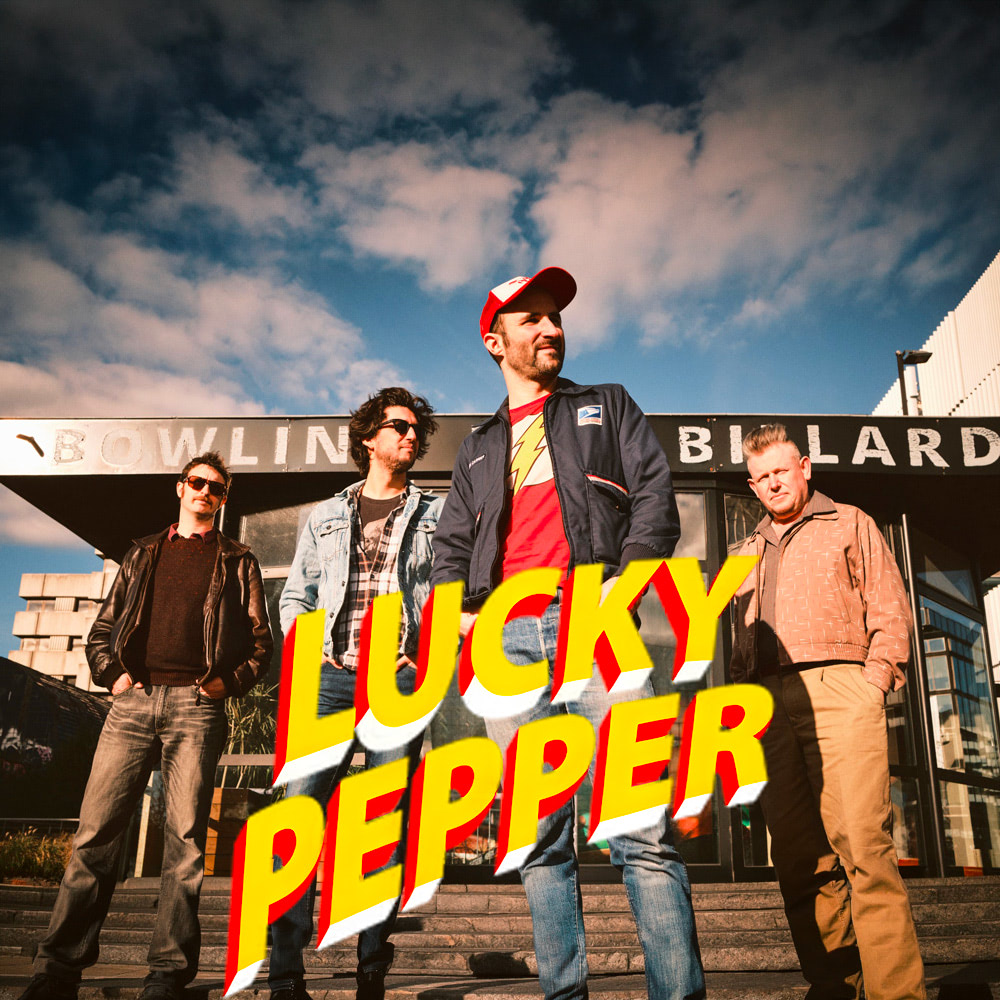
You think you know garage rock? You think you’ve heard every fuzzed-out riff, every snare crack, every howl from the basement? Then get ready to have your ears twisted. Lucky Pepper, the French four-piece that’s been tearing up stages and blowing tubes for years, just dropped a new LP that throws the rulebook out the window. It’s called "Cooking Without Singing!", and it’s a full-on instrumental assault that sounds like a hot rod engine revving inside a comic book panel. No vocals. No bullshit. Just raw, reverb-drenched energy.
This isn’t some side project or a quiet experiment—this is a statement. And it’s already got the stench of gasoline and old whiskey all over it.
The Band That Keeps On Burning
Lucky Pepper isn’t new to the game. Their second album, "Easier Said Than Done", already had critics frothing at the mouth across France (Soul Bag, Rolling Stone Magazine), the UK (Slap That Bass), Québec (Boulimique de Musique), Spain (Rock Culture, Music Media), and even the USA. Radio play? You name it—France Bleu, Radio 666, Prun’ de Blues, Blues Café Live, Free 99 – USA, This is Only Rock Radio – Spain, The Paul Groovy Show – UK, The Cerys Matthews Show – BBC UK. Hell, they even hit TV on France 3’s "Noa Pop". That’s the kind of noise that gets attention.
But they didn’t stop. Over the past two years, Lucky Pepper played over a hundred live shows—festivals, clubs, sweaty dives. They built a following the hard way: one riff at a time. Now, they’ve locked themselves in the Ducky Duck Studio and come out with something that feels like a dare. "Cooking Without Singing!" is the answer to a question nobody asked: "What if Lucky Pepper never opened their mouths?"
What’s In The Grooves?
This LP is eight original tracks, all instrumental, all built on that thin line between the late 1950s and early 1960s—the golden age when rock’n’roll was still dirty and untamed. Think Link Wray’s fuzzed-out snarl meets Dick Dale’s surf reverb, but filtered through a garage that smells like old beer and new sweat. Every track hits like a punch to the gut. Guitars cut through the air like rusty knives. Drums pound with that live-room slam you only get when nobody’s worrying about perfection. This is garage rock stripped to its bare bones: no filler, no ballads, no excuses.
It’s like flipping through a cult comic book—a musical “What if?” scenario where the band decides words are just noise. The album even has a visual theme that screams vintage pulp, with a retro universe straight out of a forgotten newsstand. You can almost see the panel borders around each song.
Why Instrumental Garage Rock Hits Different
Here’s the thing about instrumental garage rock: it’s not new, but it’s rare. The early 60s were full of bands that let their guitars do the talking—The Ventures, The Surfaris, The Trashmen. That tradition never died; it just went underground. Lucky Pepper taps right into that vein. Without a singer, the band has to rely on dynamics, tone, and raw groove to carry the story. And they nail it. There’s no hiding behind lyrics. Every squeal of feedback, every drum fill, every moment of silence between the riffs—it all matters.
For fans of garage rock, this is a breath of stale, smoky air. It reminds you why you fell in love with the genre in the first place: the sense that four people locked in a room can create chaos that sounds like freedom.
The Gear Behind The Guts
What makes this record sound so damn alive? It’s not just talent—it’s gear. Lucky Pepper leans hard into vintage tones. Think tube amps cranked past the point of no return. Think fuzz pedals that sound like they’re about to catch fire. Think spring reverb tanks that rattle like a snake. The production is raw but not sloppy—it captures the room, the sweat, the electricity of a live performance. That’s the garage rock way: imperfect, honest, and louder than it has any right to be.
If you’re a guitarist chasing that sound, look for old Silvertone amps, Danelectro guitars, or even a beat-up Jazzmaster run through a Fuzz Face. That’s the palette. That’s the noise.
A New Chapter From Indie Labels That Care
"Cooking Without Singing!" isn’t some big-label cash grab. It’s co-produced by a collective of independent labels that actually get it: Ducky Duck, Banana Juice, Pigmé Records, Stryckhnine Recordz, and Les Productions de l’Impossible. These are the people who put records out because they love the sound, not because they’re chasing a chart. That’s where garage rock lives—in the margins, on small runs, in the hands of people who still believe in the power of a three-chord scream.
So crank it up. Play it loud. Let the neighbors complain. Lucky Pepper just proved you don’t need words to say something real. You just need guts, a tube amp, and the will to burn.
“Fresh out of the secret lab of Ducky Duck Studio, this instrumental album offers a new sonic dive into a garage rock’n’roll aesthetic.”
Go follow them on Instagram: @lucky__pepper. Check the video on YouTube: watch it here. Then buy the record. Your eardrums will thank you.